
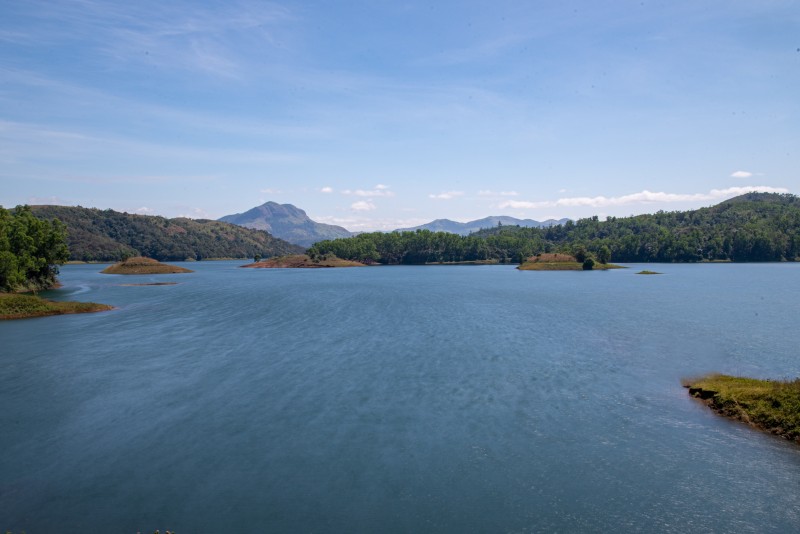
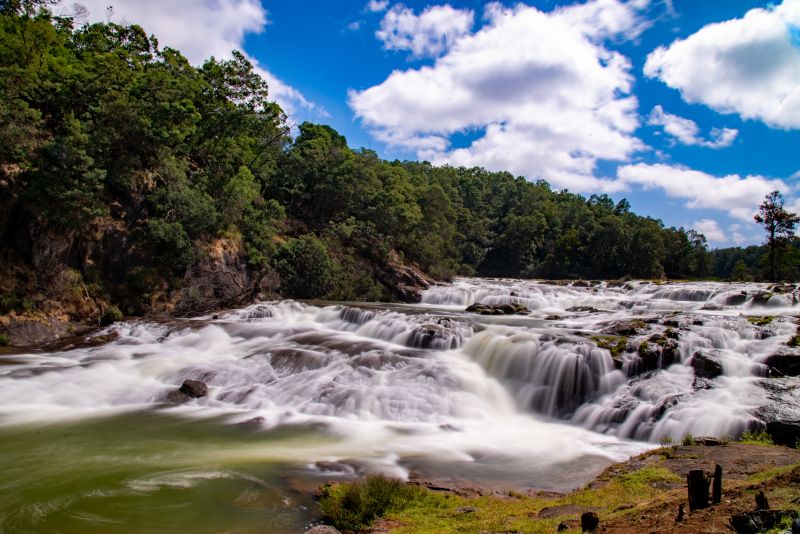
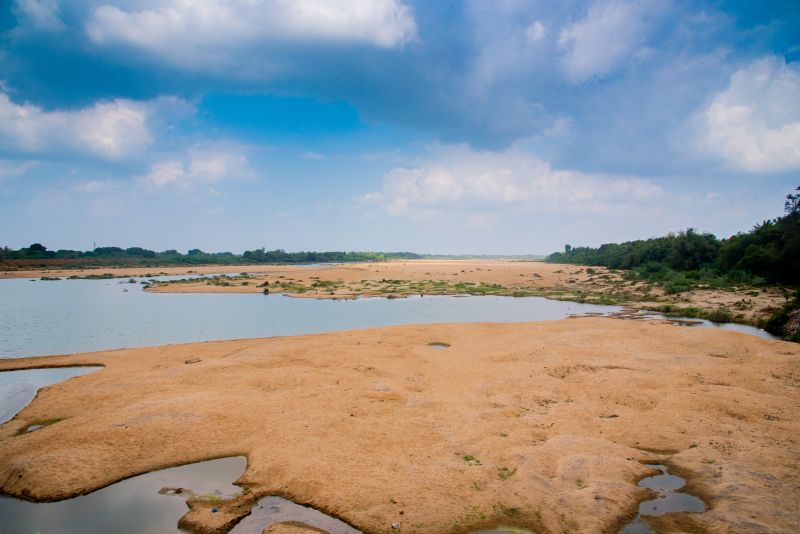
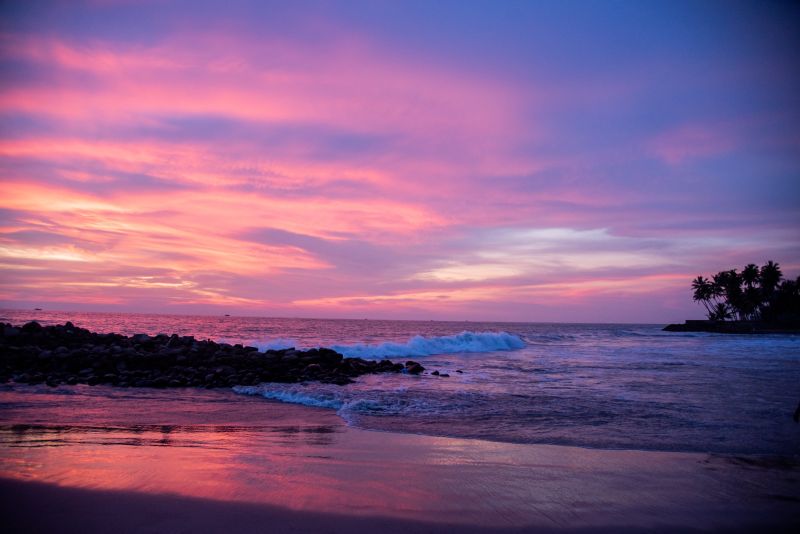
The landscapes are made naturally with many layers of elements to form a surface. This created huge mountains, rocks, valleys, and also consists of water bodies. The water bodies, like ponds, lakes, streams, and the sea, flow through different terrains. This helps to create a huge flora on its path. The water reshaped the terrain into different shapes. The landscapes are classified into various types based on their environmental and climatic condition. The major types of landscapes are mountains, hills, plateaus, and plains, where the minor types include canyons, valleys, buttes, and basins. Tectonic plate movement under the Earth creates these landforms by pushing up mountains and hills.
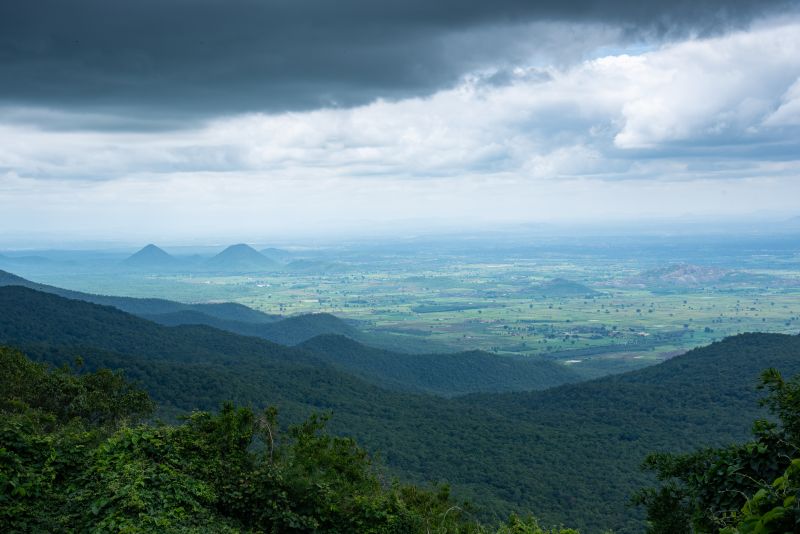
Erosion by water and wind leads to the creation of landforms such as valleys and canyons. After million years of evolution, the environment was filled with plants, mountains, valleys, lakes, ponds, seas, and oceans, which makes a magnificent landscape on earth.
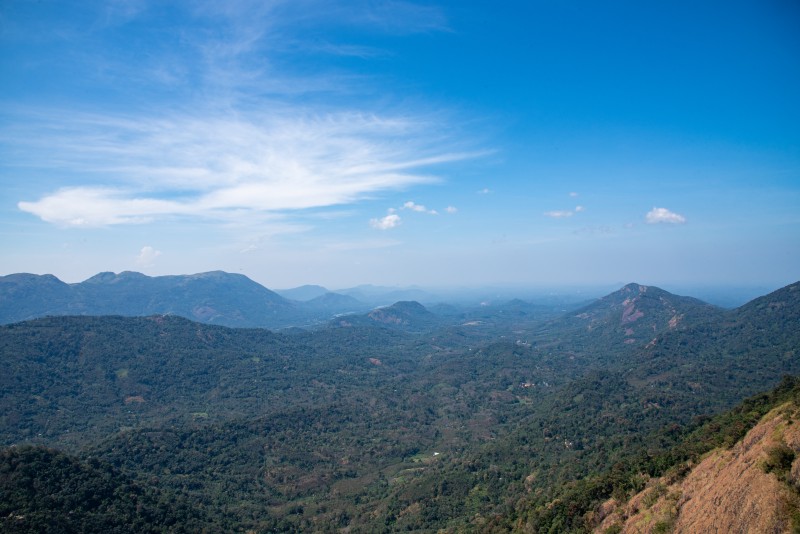
Landscapes can also exist underwater in the form of mountain ranges and basins. When the plants and trees started to grow on the landscape, they became a major hotspot for living things. Also, landscape connects one to history and they are natural resources that enrich the world economically, aesthetically, culturally, and spiritually.
Copyrights: All the photos and text in this post are the copyright of Jaganath R and Creative Hut Institute of Photography and film. Their reproduction, full or part, is forbidden without the explicit approval of the rightful owners.
