
Art of Re-fractography is a fascinating method that enables us to investigate the mysterious realm of light and its interactions with different materials. By integrating science and creativity, the mesmerizing art form of re-fractography comes to life. Through this captivating technique, we are able to capture stunning images that unveil the intricate patterns and unique qualities of translucent objects. In this article, we will explore the underlying concepts, step-by-step procedures, and diverse applications of the art of re-fractography.
Understanding Re-fractography
Understanding Re-fractography is the technique of capturing the refractions and distortions of light as it passes through translucent objects. We can capture these interactions and reveal fascinating patterns and distinctive visual effects that would otherwise be hidden to the human eye.. It allows us to see the world through a different lens, revealing the hidden beauty within everyday objects.
The Re-fractography Science
Refraction: An Essential Idea
The bending of light as it travels through a medium with a varying optical density is known as refraction. Moreover, translucent objects like glass or water cause light to alter direction and produce fascinating optical effects. Therefore, the principle of re-fractography is based on this bending of light.
Re-fractography: Bringing the Hidden to Light
In re-fractography, refraction is utilized to capture the different patterns and distortions that result from the interaction of light with various materials. Additionally, re-fractographies may create amazing photos that display the complex interaction of light and materials by meticulously regulating the lighting and composition.
Setup and equipment
Selecting the Proper Light Source
In refractography, choosing the right light source is essential. Various light sources, including daylight, artificial lighting fixtures, and even spotlights, can have diverse effects and highlight certain features of the topic. Moreover, you may achieve the desired effects by experimenting with various lighting variables.
Choosing Appropriate Translucent Objects
Translucent things, however, are not all made equal. Glass and crystals, for instance, are two prime examples of materials that showcase remarkable refractive qualities. Consequently, they become ideal subjects for the study of re-fractography. Avoid sticking to the norm, though; explore with different materials and textures to uncover fresh, exciting options.
Setting up the composition,
The composition of a re-fractography is crucial, and in this regard, it is important to consider the placement and arrangement of the translucent elements in the frame.
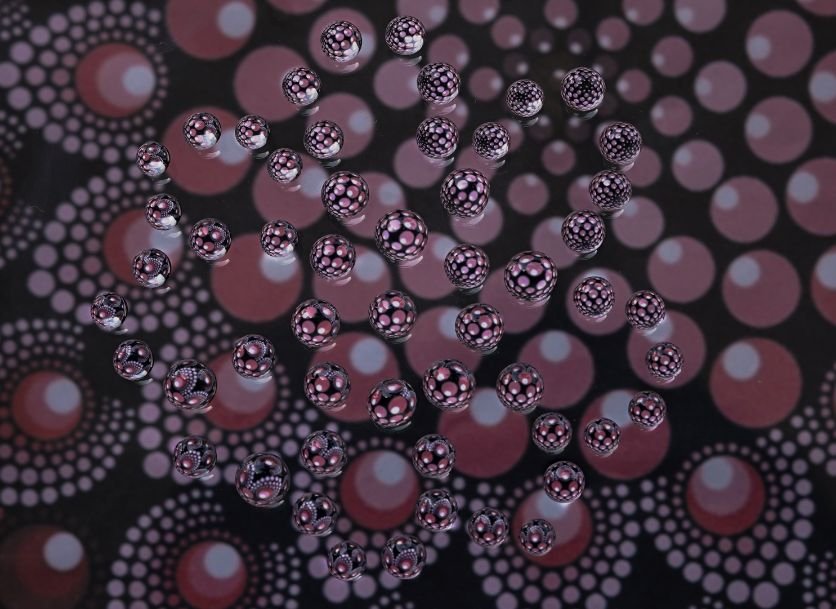
Flower: Flower in a drop of water
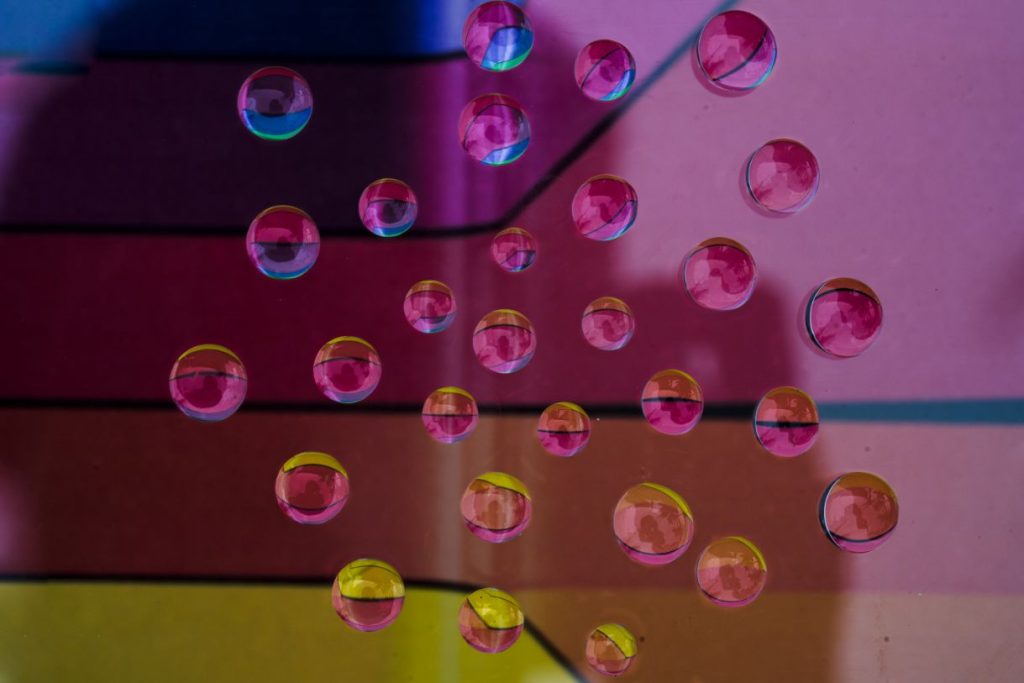
Ball: Balls in different pattern
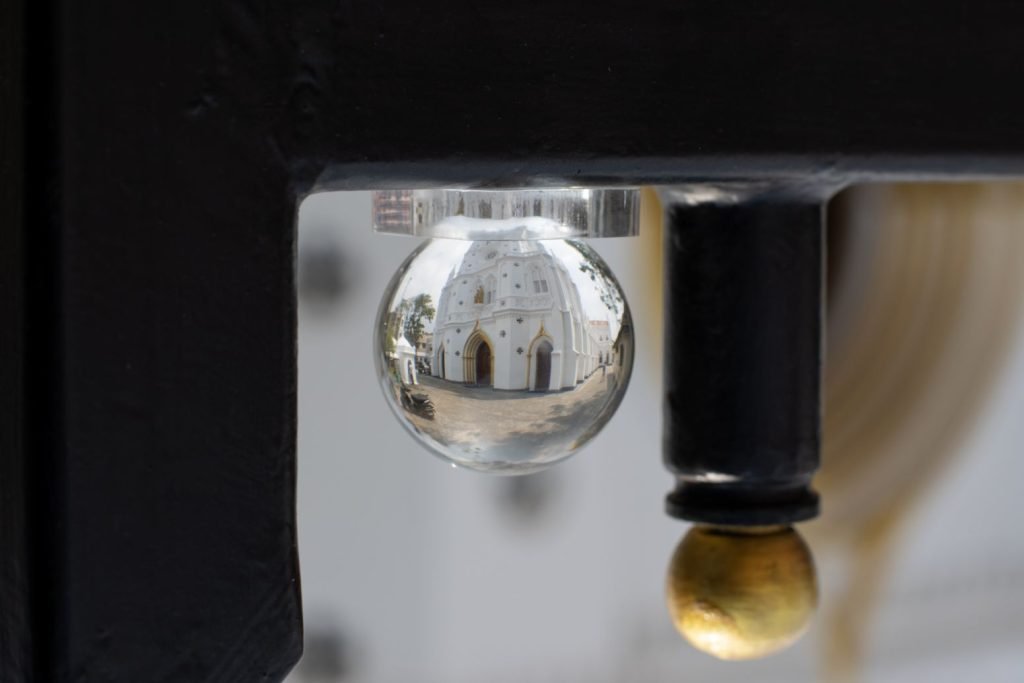
Church: Shrunk in lensball
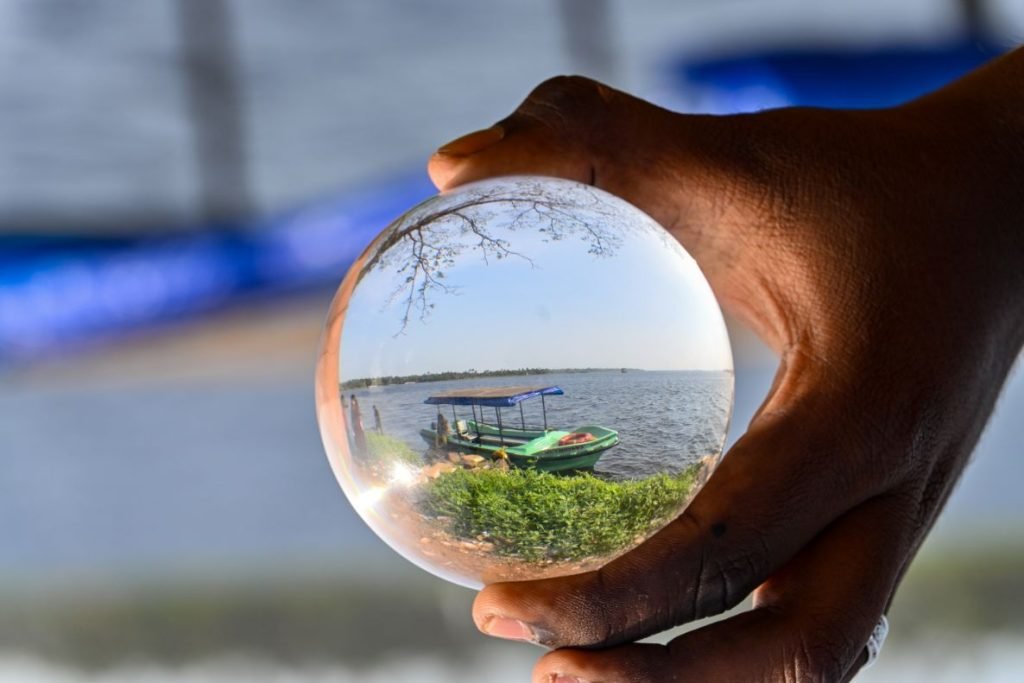
Canoe: Getting ready for the next trip
Copyrights:
All the photos and text in this post are copyright of Vishnu Prakash ,Kollam Creative Hut Institute of Photography and Film .Their reproduction, full or part, is forbidden without the explicit approval of the rightful owners.
