Professional Diploma
AI Filmmaking and Digital Cinematography.
Rising Embers, the world’s first AI feature film made inside a film school, was created inside this campus. Join the one-year residential diploma, open to anyone after Class 12. And graduate with a credit on a real film.
The curriculum
One-year AI filmmaking syllabus.
MONDAY TO FRIDAY · TWO SEMESTERS · ONE BREAK HOME · FULLY RESIDENTIAL
Saturdays are added only when a project or workshop calls for it.
How an image carries meaning: its vocabulary, grammar, and structure. The foundation every module after this one builds on.
Command the camera, lenses, and exposure until the settings disappear and only the picture remains. Daily shooting across portrait, product, and location.
Learn to read and shape light for the camera. Natural light, three-point and four-point studio setups, portrait and product, and the clean, controlled looks a working photographer delivers on brief.
The post-production craft. Colour, composition, and clean finishing in Lightroom and Photoshop, turning raw frames into a publish-ready image.
Generate and direct AI images and video for real briefs. Prompting, character consistency, and the AI image and video tools used in production today.
Move from stills to motion. Cinematic language, camera for video, log profiles, and movement, handheld, tripod, slider, gimbal, and drone.
Cut clean, fast, platform-aware edits. Edit logic, rhythm, transitions, and sound, exported for Instagram, YouTube, OTT and broadcast. Video Editing, one of the major module in the cinematography course plays an important role in the final outputs.
Plan a film before you shoot it. Story, script, storyboard, and shot division, turning an idea into a production the whole crew can execute.
Understanding the workflow and AI pipeline, students here learn through real AI film production. Image-to-video, motion control, and shot generation with the leading AI video tools, cut together into finished sequences on a real film.
Step up to DaVinci Resolve. Primary correction, secondary grading, Power Windows and node trees, with skin-tone control tuned for Indian skin diversity.
Capstone · 111 to 112
Assemble a publish-ready AI content portfolio, your first real entry point into the industry.
Graduate with a credit on a real AI feature film, the work that gets you hired.
The KGTE and NCVET-MESC subjects run alongside the diploma as nationally recognised skill certifications, mapped to the National Skills Qualification Framework (NSQF). Their examinations are conducted and certified separately: KGTE by the Department of Technical Education, Government of Kerala, and the NSQF levels by the Media and Entertainment Skills Council under NCVET. NSQF levels are awarded by entry qualification: Level 3 for Class 12 entrants, Level 6 for degree entrants.
Four credentials, one year.
Professional Diploma
KGTE in Photography
NCVET-MESC
Adobe Qualified Program
Tools
One AI to cinema pipeline. Twenty-one tools.
You will not learn tools in isolation. You will run a full production pipeline, the same path a real AI film travels from first idea to final grade.
Write and plan
Story, script
Create image
Generate, enhance
Create video
Image to motion
Edit and grade
Cut, colour, finish
Note: Technology changes daily, so tools may vary with industry requirements. Remember, we do not learn tools for their own sake, we learn to create visual storytelling. Each student subscribes to the software individually, and for college projects the college provides the subscription.
How your film is made
Clap the slate. Roll your year.
Every PDAC batch makes a complete AI feature film, and every student earns a real credit on it. Tap the clapperboard to walk the pipeline, the fourteen-stage workflow used to make Rising Embers.
Prod.PDAC · BATCH 2027
Scene1 · STORY
Dir.ABIN ALEX
Powered byCREATIVE HUT ACADEMY
01Stage
14Workflow steps
130Minutes
Stage 01 of 14
Story
A sweeping story arc shaped into three deliberate acts. Personal experience, theme and premise turned into a structured narrative that carries the weight of history and the momentum of cinema.
Stage 02 of 14
Script
The story becomes a working document. Scenes, beats and structure laid out in professional form, ready for the room to interrogate before a single word of dialogue is written.
Stage 03 of 14
Screenplay
Every word of dialogue, every scene, every historical detail written in industry-standard format. The blueprint the whole crew shoots from.
Stage 04 of 14
Concept and look
Before a single prompt is written, the film’s identity is decided. Colour palette, lighting mood, camera language and reference boards define how every frame will feel.
Stage 05 of 14
Pre-visualisation
The invisible foundation of an AI film. Every character, place and object designed once, in three locked reference sheets that every prompt, every shot and every student will follow.
Character sheetsLocation sheetsAsset sheets
Stage 06 of 14
Shot division
Scene by scene, the screenplay is broken down into shots. Framing, lens, movement and blocking, planned like a working production.
Stage 07 of 14
Storyboard
Every frame conceived by hand before technology touches it. Angles, composition and visual tone deliberated on paper until the film finds its true voice.
Stage 08 of 14
Prompt generation
Language becomes the bridge between imagination and image. Every shot distilled into a precise prompt in a standardised structure that unifies the whole crew’s vision.
Stage 09 of 14
Video generation
AI cinematographers translate the storyboard into moving image. Every generated shot scrutinised daily against references, so the film carries the truth the story demands.
Stage 10 of 14
Voice and casting
Casting for an AI film is casting for a voice. Every character auditioned, every performance recorded and directed, until the film has its actors.
Stage 11 of 14
Sound and music
Foley, atmosphere and an original score written to picture. The film learns to breathe.
Stage 12 of 14
Editing and grading
The cut comes together and the film gets its final look. Rhythm carved in the edit, colour graded shot by shot until every frame agrees.
Stage 13 of 14
Continuity and QC
Every shot verified against every other shot. Across a feature, a single break in continuity would shatter the story, so nothing leaves the room until it holds together.
Stage 14 of 14
Release
Mastered for theatres, OTT and festivals. Your name in the credits, for the rest of your life.
Rising Embers was built exactly this way, the world’s first AI feature film made inside a film school. Your batch makes the next one.
Course fees
The year you become an AI film-maker and Cinematographer.
Choosing this year is a big decision, often a family one, so we have put every rupee in plain sight, one fee with three ways to pay it.
Instalment Registration fee, tuition fee, 18% GST, hostel & food. Check the easy instalment schedules below.
Early-bird Scholarships ₹20,000 less than instalment.
Last date 31st Dec 2026.
Advance full Fee ₹30,000 less than instalment
for those who pay full fee in advance.
Every payment plan is subject to an additional ₹10,000 refundable caution deposit, which will be returned along with your certificate. For details about scholarships, please contact our Admissions Office.
Fees once paid are non-transferable and non-refundable.
Fees can be paid in instalments.
The industry
The AI media wave is here.
Global AI in media and entertainment is set to grow nearly four times in six years, about 24 percent a year. The demand is arriving faster than anyone can train for it, and Creative Hut is built for exactly this wave.
Python, ML and MLOps. Thousands train for it every year. You would be one more in a long queue.
Where story meets the new tools. Almost no one is trained for it yet, and a film school graduate walks straight in.
AI filmmaking faculty
Learn AI filmmaking from people who work in it.
From the director of Rising Embers, the world's first AI feature film made inside a film school, to working AI cinematographers, producers and content creators, you learn AI filmmaking from people building real work today, not from a slideshow.
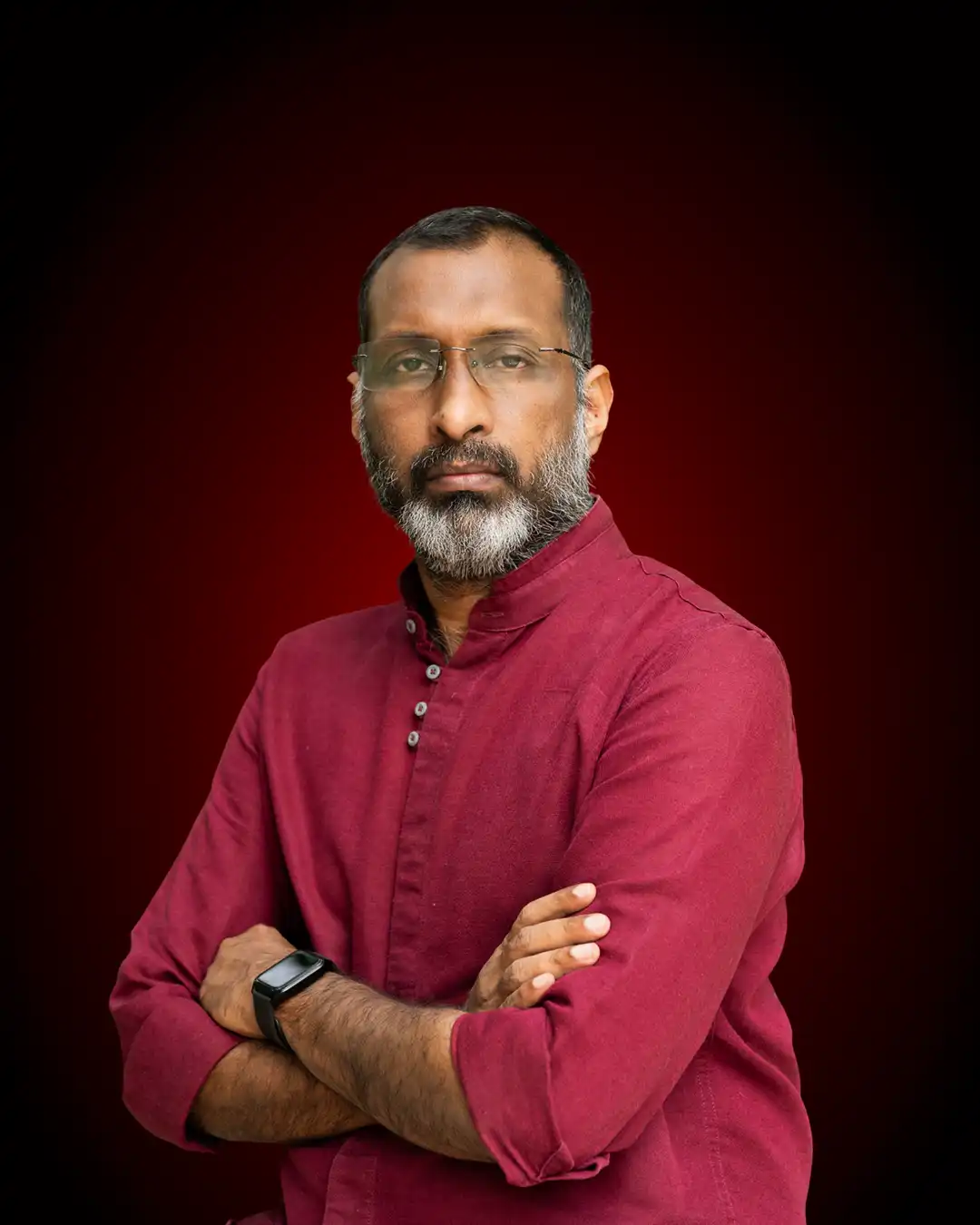
Abin Alex
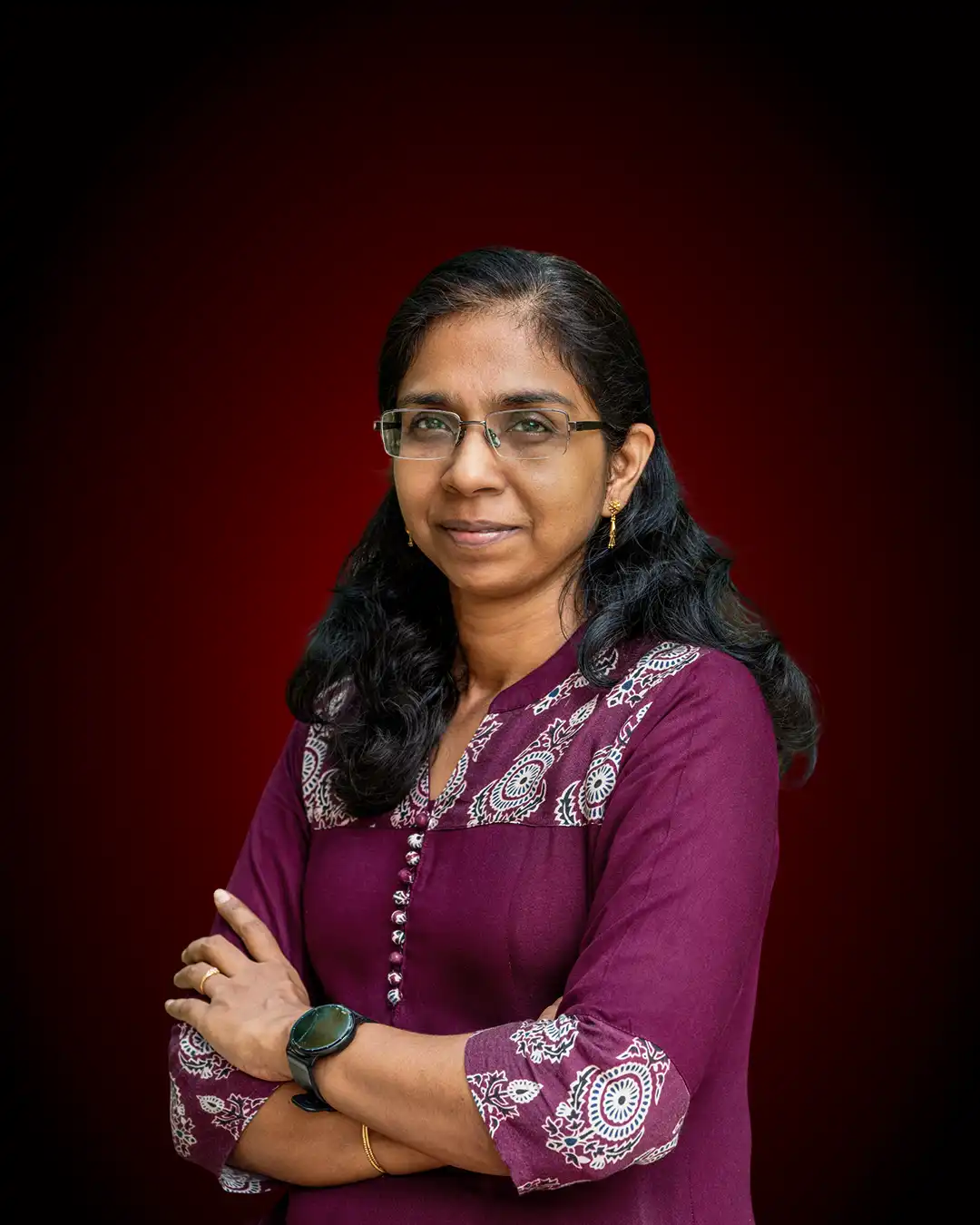
Anu Joseph
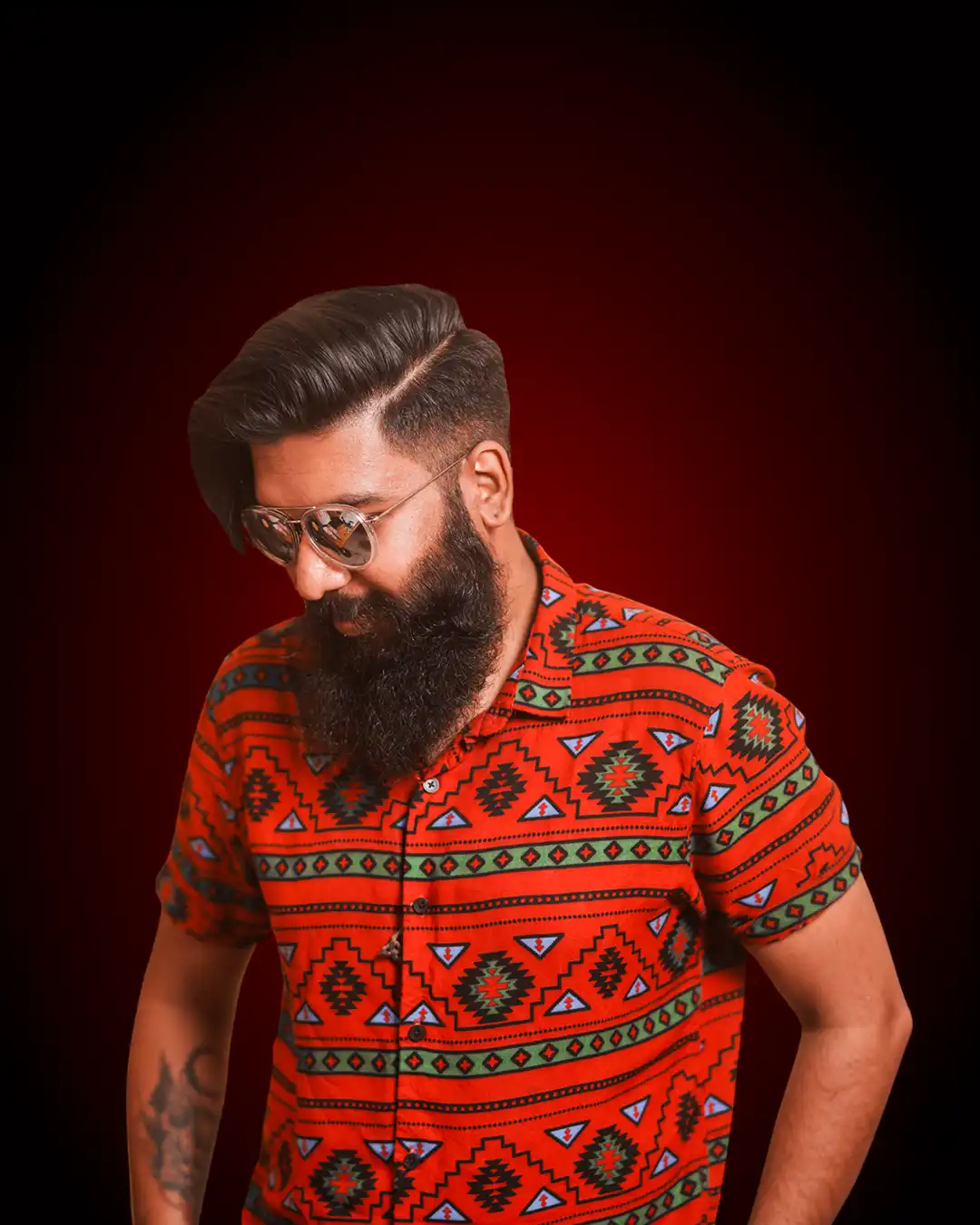
Rahul Rao
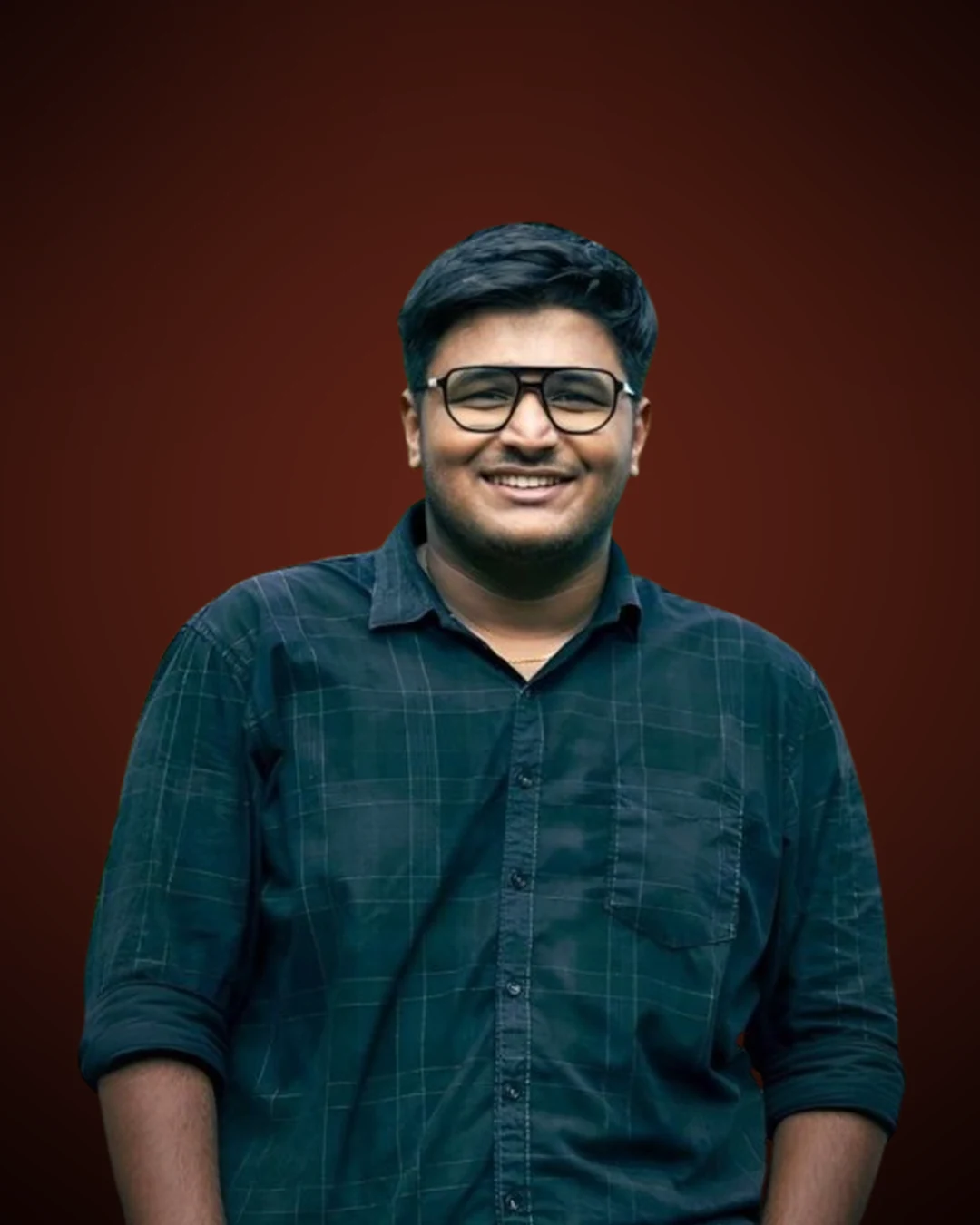
Pranav Jose Narisetty
What applicants ask about the AI filmmaking diploma.
PDAC is a one-year, fully residential programme at Creative Hut Academy in Mattakkara, Kottayam, Kerala. It combines digital cinematography with AI filmmaking, and you graduate with four credentials and a credit on a complete AI feature film. It runs in two semesters, Monday to Friday, with one break home. Saturdays are added only when a project or workshop calls for it.
Anyone who has completed Class 12 or holds a degree can apply. No prior photography or filmmaking experience is required, because Semester 1 builds your visual foundation from the beginning. Each batch takes 30 students, and seats are given first come, first served.
Classes are conducted in English, Hindi and Malayalam.
- Semester 1: visual language and image grammar, photography, lighting and studio practice, visual design and editing, and AI content creation.
- Semester 2: digital cinematography, video editing, cinematic language and pre-production, AI feature film production, and colour grading in DaVinci Resolve.
- Capstones: an AI content creation portfolio and an AI feature film portfolio.
You run a full production pipeline of 21 tools across five stages:
- Write and plan: Claude, ChatGPT, Gemini
- Create images: Magnific, Nano Banana, OpenArt, OpenAI, Ideogram
- Create video: Higgsfield, Kling, Seedance, Runway ML, Veo
- Voice and sound: ElevenLabs, Suno, SyncLabs, Lyria
- Edit and grade: Lightroom, Photoshop, Premiere Pro, DaVinci Resolve
Technology changes quickly, so the tools may vary with industry requirements.
Every PDAC batch makes a complete AI feature film, and every student earns a credit on it. The film follows a fourteen-stage workflow, from story and script through AI generation, voice and casting, to editing, grading and release. It is the same pipeline used to make Rising Embers, the world’s first AI feature film made inside a film school.
- Professional Diploma: from Creative Hut Academy, issued under the National Education and Research Foundation.
- KGTE in Photography: from the Department of Technical Education, Government of Kerala.
- NCVET-MESC: Skill India certification mapped to the NSQF, at Level 3 for Class 12 entrants and Level 6 for degree entrants.
- Adobe Qualified Program: industry-recognised certification in Adobe creative tools.
The KGTE and NCVET-MESC examinations are conducted and certified separately from the diploma.
Bring your own camera, lens and a laptop with a minimum of 32 GB RAM, with the software the college recommends. Each student subscribes to the software individually, and for college projects the college provides the subscription. The academy provides full use of studio equipment, lighting and studios during class hours. Personal hostel items and expenses for personal projects, optional tours and exam fees are extra.
Yes. The fee includes hostel accommodation for the full course duration and meals on all working days, on our Gurukul-model campus in Mattakkara, Kottayam. A refundable caution deposit applies in addition, as set out in the Course fees section on this page.
The fees, the three ways to pay, the instalment schedule and the early-bird deadline are all in the Course fees section on this page. For scholarships or any other fee question, message our admissions team on WhatsApp.
Both are one-year residential diplomas, and both teach AI. The Professional Diploma in Photography and Cinematography goes deeper into stills, lighting, motion and the edit. PDAC builds on the same craft foundation, layers the full AI production pipeline on top, and ends with a credit on an AI feature film. Each course page lists its own syllabus and fees.
Admissions for the 2027 batch are open on a first-come, first-served basis, with no entrance exam. The batch begins on 11 August 2027. You can start on the admissions page or message us on WhatsApp.